
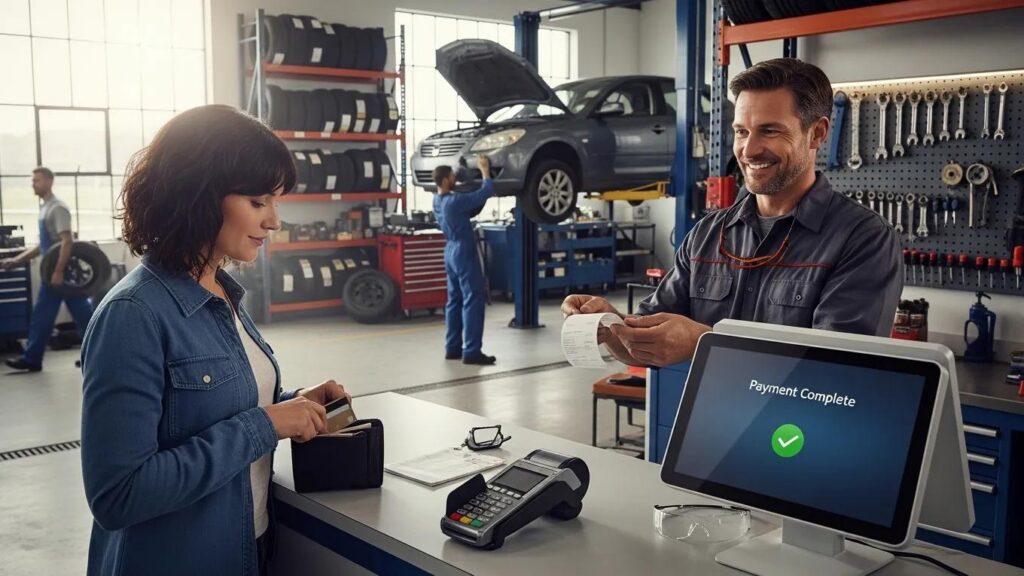
Auto Repair Shop Payment Solutions
Auto Repair Shop Payment Solutions: Streamlined Credit Card Processing and Integration
By Chris Clear, Chris Clear Credit Card Processing
In the fast-paced world of auto repair, efficient payment processing is crucial for maintaining cash flow and enhancing customer satisfaction. Integrated payment solutions streamline transactions, allowing auto repair shops to accept payments seamlessly while managing their operations effectively. This article delves into the benefits of integrated payment processing, how to implement these solutions with shop management software, and the various secure payment methods available. By understanding these aspects, auto repair shops can optimize their payment systems, reduce friction in transactions, and ultimately improve their bottom line.
Research consistently demonstrates the positive financial impact of adopting digital payment solutions in repair-based industries.
Digital Payment Solutions Boost Revenue for Repair Businesses
This study assessed the revenue impact of Digital Payment Solutions (DPS) using a longitudinal panel dataset of 1,200 U.S. small and medium-sized enterprises (SMEs) observed over 14,400 firm-period observations. The sample included SMEs from retail (30.0%), food service (20.0%), personal services (17.5%), professional services (16.7%), and repair-based industries (15.8%), with 70.0% employing fewer than 20 employees. Descriptive results showed mean logged revenue of 10.42 (SD = 0.88) and an average digital sales share of 49.6% (SD = 24.3%). DPS adoption increased from 68.0% in the early period to 85.0% by the final period. Reliability analysis confirmed strong internal consistency for the main constructs, including DPS intensity (α = 0.86), breadth (α = 0.79), and integration (α = 0.82). Two-way fixed effects regression models controlling for firm size, age, sector, location, channel mix, and competitive density indicated that DPS adoption was positively associated with revenue
Quantitative Impact Assessment of Digital Payment Solutions on Small Business Revenue Panel Data Analysis From 1,200
US SMES, MT Islam, 2024
What Are the Benefits of Integrated Payment Processing for Auto Repair Shops?
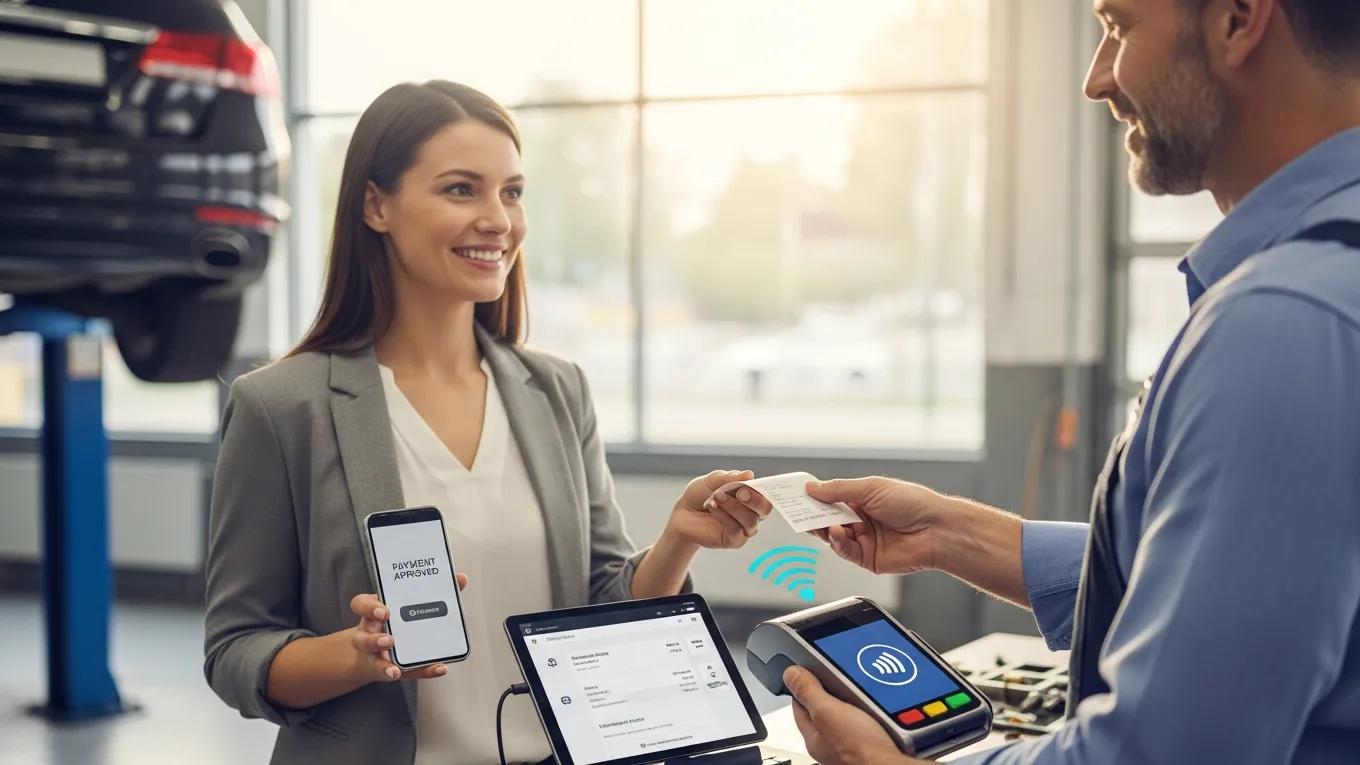
Integrated payment processing offers numerous advantages for auto repair shops, significantly enhancing operational efficiency and customer experience. By automating payment transactions, shops can reduce manual errors and speed up the payment process, leading to improved cash flow. Additionally, integrated systems allow for real-time tracking of payments, which helps in managing finances more effectively. This seamless integration not only enhances customer satisfaction by providing a smoother checkout experience but also allows shop owners to focus more on their core business activities.
For auto repair shops, the benefits of integrated payment processing include:
- Improved Cash Flow: Faster payment processing reduces the time between service completion and payment receipt.
- Reduced Payment Friction: Streamlined transactions minimize customer wait times and enhance satisfaction.
- Enhanced Customer Experience: Offering multiple payment options, including credit cards and mobile payments, caters to diverse customer preferences.
How to Integrate Payment Solutions with Auto Repair Shop Management Software?
Integrating payment solutions with auto repair shop management software is a strategic move that can significantly enhance operational efficiency. The process typically involves selecting compatible software and payment gateways that work seamlessly together. This integration allows for automated invoicing and real-time updates on payment statuses, which are crucial for effective financial management.
An example of such an integrated platform highlights the comprehensive capabilities available for modern auto repair shops.
AutoHub: Integrated Payment & Management for Vehicle Services
AUTOHUB is an integrated solution for essential services regarding vehicles, as well as vehicle expenses. This is a solution with both a native Android app and the response web interface that can easily integrate, especially with dynamic time slot selection for service bookings and an extensive expense tracker for fuel, repairs, tolls/fines, and others. It also has a cloud Online Document Manager for safe document storage, automatic expiration reminders, different dashboards for service providers, and more. It is developed using Android Studio, React, Node.js with Express, Firebase Firestore for real-time data sync, and Razorpay for secure payment processing. The platform has a modular microservices architecture and is scalable and easy to maintain. This integrated solution not just tackles the current challenges posed by fragmented automotive service management, but it also builds the base upon which future extensions can be realized, placing AUTOHUB well ahead of its time as a platform for automotive care.
AutoHub: Integrated Vehicle Washing and Expense Management with AI and Blockchain, S Betgeri, 2025
What Are the Steps to Connect Payment Gateways with Shop Software?
To successfully connect payment gateways with shop management software, follow these steps:
- Identify Compatible Software: Ensure that your shop management software supports the payment gateway you intend to use.
- Follow Integration Protocols: Adhere to the specific integration guidelines provided by both the software and payment gateway providers.
- Test the Integration: Conduct thorough testing to ensure that transactions are processed correctly and that data syncs seamlessly between systems.
Which Credit Card Terminals Support Seamless Integration?
When selecting credit card terminals for your auto repair shop, consider those that offer seamless integration with your management software. Recommended terminals include:
- Square Terminal: Known for its user-friendly interface and robust integration capabilities.
- Clover Station: Offers extensive features tailored for retail and service industries, including auto repair.
- PayPal Here: Provides flexibility with mobile payment options and easy integration with various software platforms.
What Are Transparent Pricing Models for Auto Repair Payment Processing?
Understanding the pricing models for payment processing is essential for auto repair shops to manage costs effectively. Transparent pricing models help shop owners make informed decisions about which payment solutions to adopt. Common pricing structures include flat-rate pricing, tiered pricing, and interchange-plus pricing, each with its own advantages and considerations.
How Do Pricing and Fees Affect Auto Shop Payment Solutions?
Pricing and fees can significantly impact the overall cost of payment processing for auto repair shops. It’s crucial to evaluate the following factors:
- Cost-Effectiveness: Choose a pricing model that aligns with your transaction volume and average ticket size.
- Long-Term Savings: Consider how different pricing structures can affect your bottom line over time, especially as your business grows.
What Are Common Pricing Structures for Credit Card Processing?
Common pricing structures for credit card processing include:
- Flat-Rate Pricing: A single percentage fee for all transactions, simplifying budgeting.
- Tiered Pricing: Different rates based on transaction types, which can lead to variable costs.
- Interchange-Plus Pricing: A transparent model where the merchant pays the interchange fee plus a fixed markup, often resulting in lower overall costs for high-volume businesses.
Which Secure Payment Methods Are Best for Auto Repair Shops?
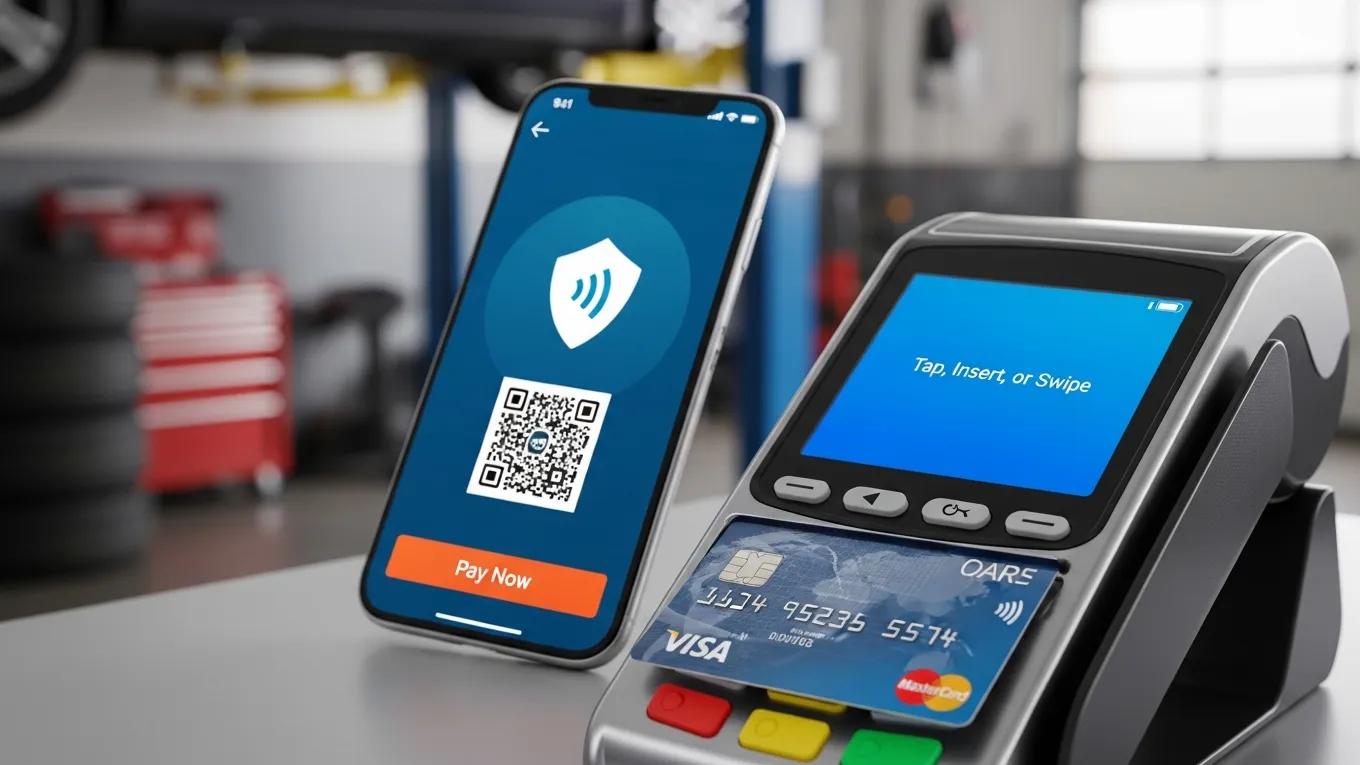
In today’s digital landscape, offering secure payment methods is vital for protecting customer data and building trust. Auto repair shops should consider implementing various secure payment options to cater to customer preferences while ensuring compliance with security standards.
How Do Contactless and Mobile Payments Benefit Repair Shops?
Contactless and mobile payments provide several benefits for auto repair shops:
- Convenience for Customers: Customers appreciate the speed and ease of contactless payments, which can enhance their overall experience.
- Faster Transactions: These payment methods reduce transaction times, allowing for quicker service and turnover.
What Security Standards Ensure Safe Payment Acceptance?
To ensure safe payment acceptance, auto repair shops must adhere to key security standards, including:
- PCI Compliance: Adhering to the Payment Card Industry Data Security Standard is essential for protecting customer payment information.
- Data Encryption: Implementing encryption protocols safeguards sensitive data during transactions, reducing the risk of breaches.
Different pricing models and their features can be compared to help auto repair shops choose the best payment processing solution.
This comparison highlights the importance of selecting a pricing model that aligns with the specific needs of your auto repair shop.
By understanding the various aspects of payment processing, auto repair shops can make informed decisions that enhance their operational efficiency and customer satisfaction. Integrated payment solutions not only streamline transactions but also provide valuable insights into financial management, ultimately contributing to the success of the business.