

Complete Guide to Credit Card Processing Services
Complete Guide to Merchant Credit Card Processing Services: How to Choose and Set Up Payment Solutions
Merchant credit card processing is a crucial aspect of modern business operations, enabling merchants to accept payments seamlessly and efficiently. This guide will provide a comprehensive overview of credit card processing services, including how they work, the necessary components, and the steps to set up these services for your small business. Understanding the intricacies of credit card processing can help businesses streamline their payment acceptance, reduce transaction complexities, and ultimately enhance customer satisfaction. In this article, we will explore the transaction process, the essential components involved, the fees associated with credit card processing, and the best payment gateway solutions available for small businesses.
What Is Merchant Credit Card Processing and How Does It Work?
Merchant credit card processing refers to the system that allows businesses to accept credit and debit card payments from customers. This process involves several steps, including authorization, settlement, and funding. When a customer makes a purchase using a credit card, the transaction is initiated through a payment gateway, which securely transmits the transaction details to the card issuer for approval. Once approved, the funds are typically transferred to the merchant’s account within 1 to 3 business days, completing the transaction.
Understanding the Credit Card Transaction Process for Businesses
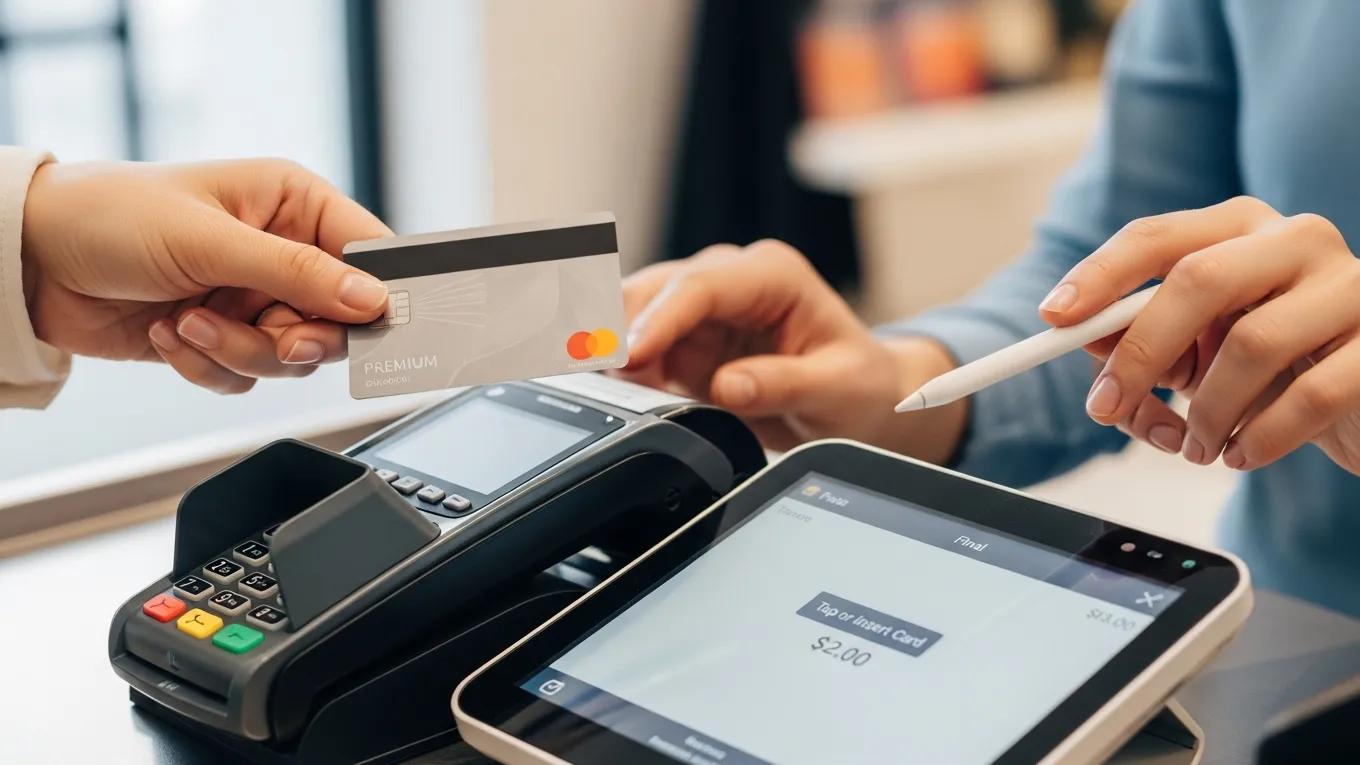
The credit card transaction process consists of several key steps:
- Authorization: The customer swipes or enters their card information, and the payment gateway sends a request to the card issuer for approval.
- Authentication: The card issuer verifies the customer’s identity and checks for sufficient funds.
- Settlement: Once approved, the transaction is settled, and the funds are transferred from the customer’s account to the merchant’s account.
- Funding: The merchant receives the funds, typically within a few business days.
Understanding this process is essential for businesses to ensure smooth transactions and maintain customer trust.
Key Components: Merchant Accounts, Payment Gateways, and Transaction Fees
Merchant credit card processing involves several critical components:
- Merchant Account: A specialized bank account that allows businesses to accept credit card payments. It acts as an intermediary between the customer’s bank and the merchant’s bank.
- Payment Gateway: A technology that securely transmits transaction data between the merchant and the payment processor. It encrypts sensitive information to protect against fraud.
- Transaction Fees: Fees charged by payment processors for handling credit card transactions. These can include per-transaction fees, monthly fees, and service charges.
Understanding these components helps businesses choose the right processing solutions for their needs.
How to Set Up Credit Card Processing for Your Small Business
Setting up credit card processing for your small business involves several steps to ensure a smooth implementation.
Steps to Establish a Merchant Account and Choose a Provider
- Research Providers: Compare different payment processors to find one that fits your business needs, considering factors like fees, customer support, and integration options.
- Application Process: Complete the application for a merchant account, providing necessary business information and financial details.
- Set Up Payment Processing: Once approved, configure your payment processing system, including integrating the payment gateway with your website or point-of-sale system.
Choosing the right provider is crucial for ensuring reliable payment processing and minimizing costs.
What Equipment and Software Are Needed for Payment Processing
To effectively process credit card payments, businesses need specific equipment and software:
- Point-of-Sale (POS) System: Hardware and software that enable in-person transactions, including card readers and terminals.
- Payment Processing Software: Software that integrates with your website or POS system to handle online transactions securely.
- Security Features: Ensure that your payment processing system complies with PCI DSS standards to protect customer data.
Investing in the right tools is essential for efficient and secure payment processing.
What Are Credit Card Processing Fees and How Are They Calculated?
Credit card processing fees can vary significantly based on the provider and the type of transactions. Understanding these fees is vital for businesses to manage their costs effectively.
Breaking Down Typical Fees: Transaction, Monthly, and Service Charges
Credit card processing fees typically include:
- Transaction Fees: A percentage of each transaction, usually ranging from 1.5% to 3.5%.
- Monthly Fees: Fixed fees charged for maintaining the merchant account, which can vary by provider.
- Service Charges: Additional fees for services like chargebacks or refunds.
Understanding these fees helps businesses budget for their payment processing costs.
How to Compare Fees Among the Best Credit Card Processors for Small Business
When comparing credit card processors, consider the following criteria:
- Fee Structure: Look for transparent pricing models that clearly outline all fees.
- Customer Support: Evaluate the level of support provided, including availability and responsiveness.
- Integration Options: Ensure the processor can integrate with your existing systems and software.
By carefully comparing these factors, businesses can select the most cost-effective and reliable credit card processing solution.
Which Payment Gateway Solutions Are Best for Small Businesses?

Choosing the right payment gateway is crucial for ensuring secure and efficient transactions.
Features to Look for in Payment Gateways and Integration Options
When selecting a payment gateway, consider these essential features:
- Security: Look for gateways that offer robust security measures, including encryption and fraud detection.
- User Experience: Ensure the gateway provides a seamless checkout experience for customers.
- Integration: Check if the gateway can easily integrate with your existing systems, such as e-commerce platforms or accounting software.
Selecting a gateway with these features can enhance customer satisfaction and streamline operations.
How Mobile and Contactless Payment Solutions Are Changing Processing
Mobile and contactless payment solutions are revolutionizing the way businesses accept payments. These technologies offer several advantages:
- Convenience: Customers can make payments quickly and easily using their smartphones or contactless cards.
- Speed: Transactions are processed faster, reducing wait times for customers.
- Security: Advanced encryption and tokenization methods enhance transaction security.
As these payment methods become more popular, businesses must adapt to meet customer expectations and stay competitive.